
10 Side Hustles You Can Start Using AI Even If You’re Starting From Zero
 No tech background needed. No big investment. Just practical ideas that real people are using to build income right now.
Here’s the thing: you don’t need to be a developer or a tech wizard to benefit from this. The tools are more accessible than ever, and the demand from businesses — especially small ones — is very real. They need help. They’re willing to pay for it. And a lot of what they need can now be done faster and better with the right tools in your hands.
Let me be honest though — none of these are overnight wins. They take real effort, especially in the first month or two. But they’re all legitimate, all scalable, and all something you can start this week without quitting your day job.
 The 10 Side Hustles Worth Your Time
Businesses need content constantly — blog posts, email sequences, landing pages, product descriptions. The problem is most of them can’t afford a full-time writer. That’s your opening.
You use tools like ChatGPT or Claude to speed up drafting, then you edit, refine, and add the human layer that makes it actually good. Clients don’t care about your process — they care about the result. List your services on Fiverr or Upwork, start with competitive rates, and build reviews fast.
Printable planners, budget trackers, journal templates, classroom worksheets, wall art — people buy this stuff every day on Etsy. You can create it using Canva’s AI features and Midjourney for visuals.
The key is doing keyword research before you make anything. Search Etsy for your niche, look at what’s already selling well, and make better versions of those. The market is already validated. You’re just entering it.
Nina, a stay-at-home mom in Wisconsin, started selling homeschool activity sheets on Etsy after her youngest started school. She used Canva and a text tool to build her first 15 products over two weekends. Month one: $84. Month four: $910. She hadn’t changed her product type — she’d just gotten better at SEO titles and product photos. Small thing, big difference.
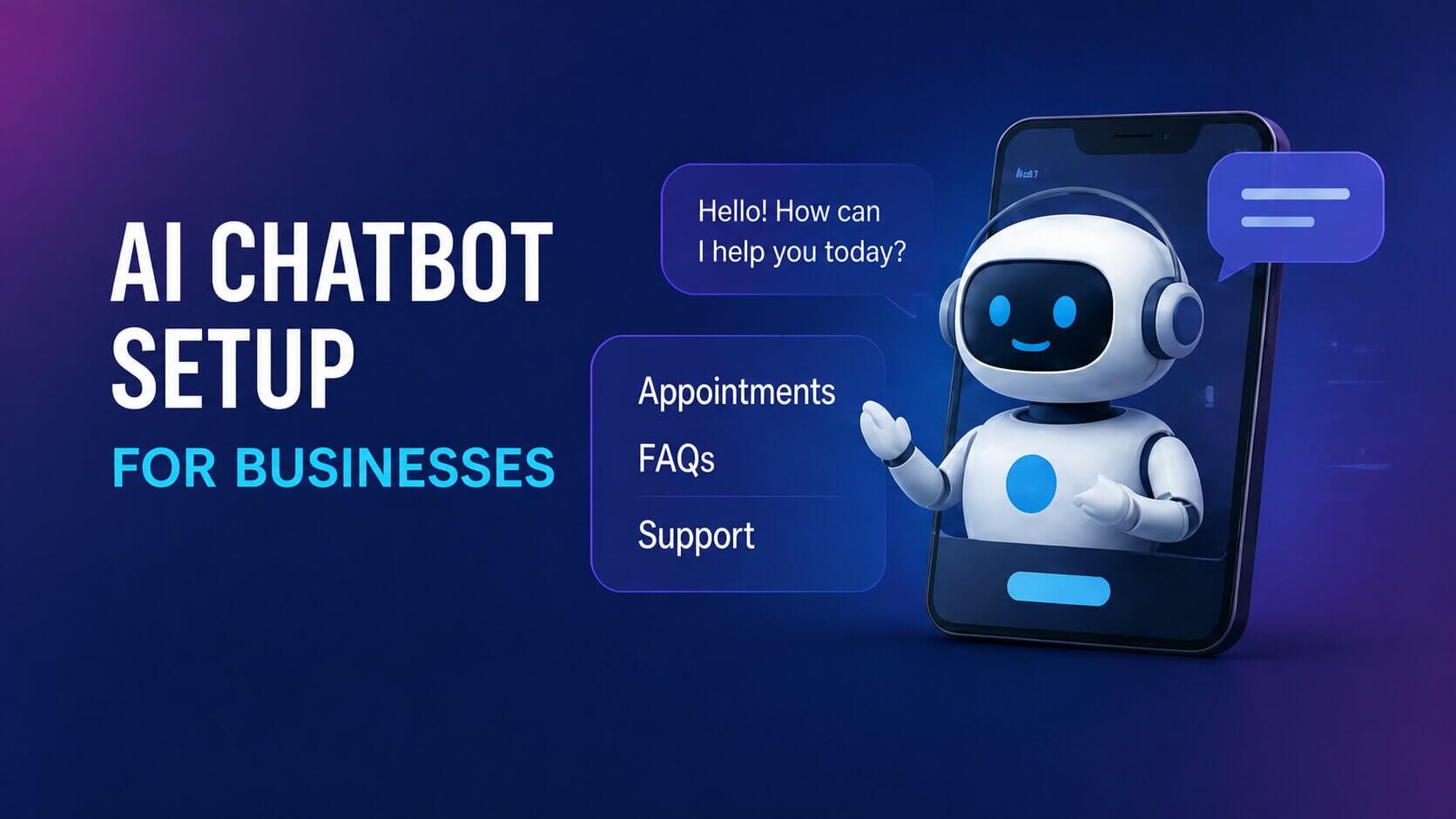
Hair salons, dental offices, local law firms — they’re all drowning in the same three customer questions. You build them a simple chatbot using Voiceflow or Tidio, charge a setup fee, and optionally offer a monthly maintenance retainer.
Learn the platform in a weekend. Build a demo for a made-up business. Record a short Loom video showing how it works. Reach out to five local businesses. That’s the whole launch strategy.
You don’t need to be on camera. Write a script with AI’s help, generate a voiceover using ElevenLabs, drop in stock footage with CapCut or Pictory, and publish. Channels covering personal finance, history, productivity, and self-improvement do incredibly well with this format.
It takes four to six months to gain traction — I want to be upfront about that. But once you have 20 solid videos live, they compound. Old videos keep getting views. It’s the closest thing to real passive income on this list.
Most small businesses know they should post on Instagram or LinkedIn. Most of them hate doing it and are bad at it. You come in, manage their content calendar, write captions, design graphics in Canva, and schedule posts using Buffer or Later.
AI speeds up the caption writing and content ideation massively. What used to take a day now takes a few hours. Two or three clients at $600 each is a solid side income that’s very manageable alongside a full-time job.

Job seekers are constantly looking for help, and a lot of them will pay for a polished, professionally written resume or LinkedIn profile. You use AI to help structure and draft, then apply your knowledge of what hiring managers actually want.
Spend a few hours learning ATS optimization basics (how resumes get filtered by software before a human sees them) and you’ll be ahead of most people offering this service. Start with people in your existing network, collect testimonials, then scale on Fiverr.
This sounds more technical than it is. Companies are adopting AI tools and often have no idea how to get good results from them. You learn how to write prompts that actually work — for writing, for image generation, for data analysis — and you teach or consult for businesses making that transition.
The demand is real and growing. A few online courses, a few weeks of genuine practice, and you can legitimately call yourself someone who knows more about this than most business owners. Which is true, and that’s worth paying for.
Tom, a former marketing coordinator in Manchester, spent three months getting genuinely good at prompting — for writing, for image tools, for customer service automation. He started offering a two-hour “AI onboarding session” for small business owners at £150 a session. He booked 11 sessions in his first two months through LinkedIn alone. Not life-changing money yet, but £1,650 from something that started as weekend learning? Solid start.
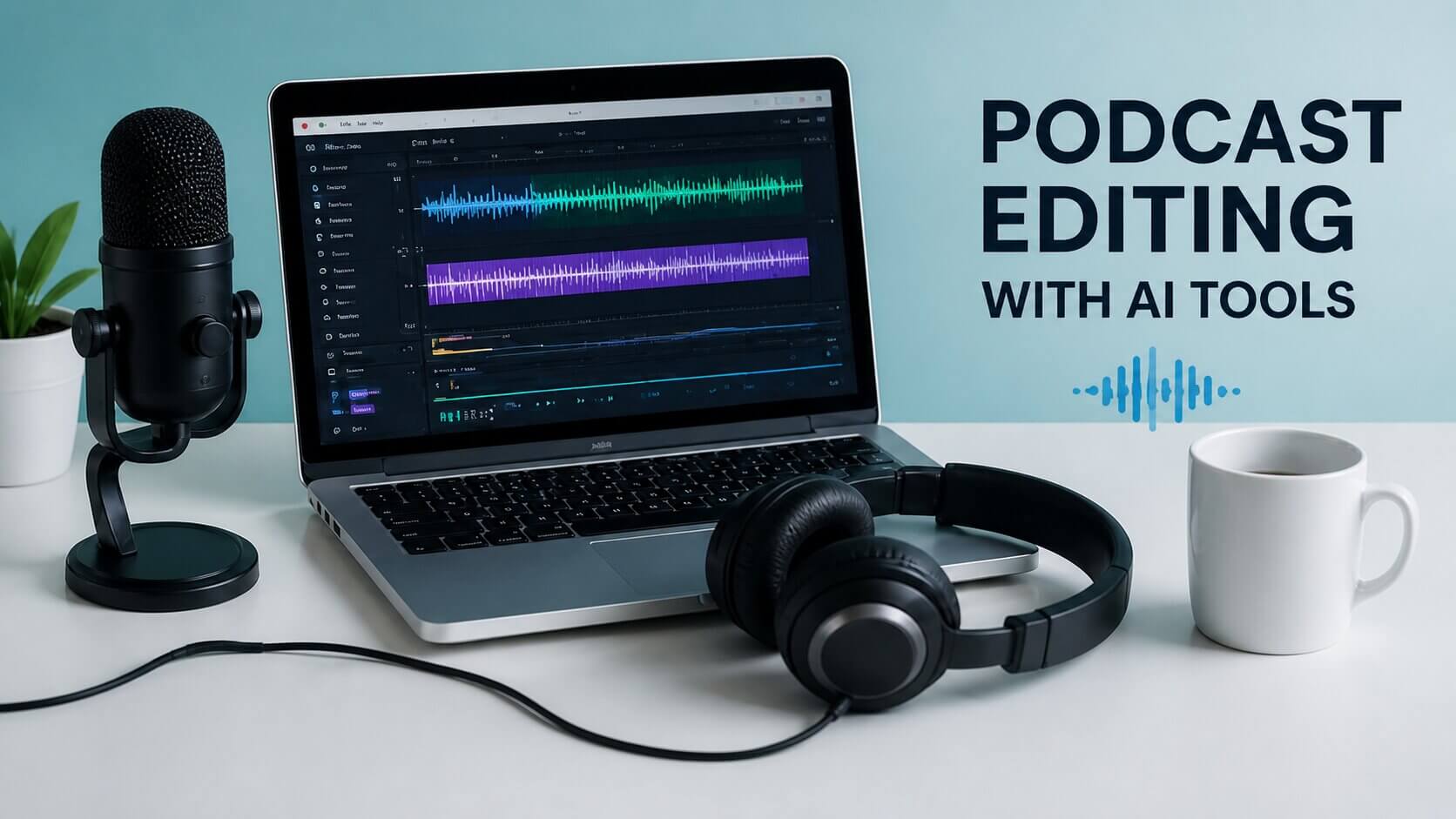
Podcasters record content but hate the post-production. That’s where you come in. Tools like Descript transcribe episodes automatically. You clean up the transcript, pull out key quotes, write show notes, and format timestamps.
What used to take hours takes about 45 minutes with the right tools. Charge per episode, build a roster of regular clients, and this becomes very consistent income without much stress. Podcast Fiverr listings do well — people are actively searching for this.
Adobe Stock, Shutterstock, and Alamy accept AI-generated images if they’re labeled properly. You use Midjourney to generate high-quality, commercially viable images — product mockups, lifestyle scenes, abstract backgrounds — and upload them.
In reality, this takes volume to build meaningful income. But it’s genuinely passive once uploaded, and it’s a great complement to other creative side hustles on this list.
If you know something useful — even moderately useful — you can package it into a course or ebook using AI to help you structure, write, and design it. Platforms like Gumroad, Teachable, and Payhip make selling easy without any technical setup.
The mistake most people make is waiting until they feel like an “expert.” You don’t need to be world-class. You need to be three or four steps ahead of your target reader. That’s enough to charge for.
Before You Pick One — A Few Honest Tips
I’ve seen people burn out on side hustles not because the idea was bad, but because they picked the wrong one for their situation. Here’s how to avoid that:
- →Match the hustle to your current skills. If you can write decently, start with writing-based hustles. If you’re visual, try Etsy or stock images. Working with something familiar means a shorter ramp-up and faster first income.
- →Don’t split your attention across three ideas at once. Pick one. Stay with it for 60 days. You’ll learn more from one focused month than from dabbling in five things.
- →Start on platforms that already have traffic. Fiverr, Etsy, Upwork — these bring buyers to you. Building your own audience comes later, once you know what works.
- →The first month is almost always slow. That’s normal. It doesn’t mean the idea is wrong. It means you’re building something that takes a little time to get rolling.

Questions People Always Ask
For most of them, no. Writing, social media management, Etsy — these require zero technical background. Even chatbot setup is largely drag-and-drop these days. The learning curve exists, but it’s measured in days, not months.
Freelance services (writing, social media, chatbots) can generate income within 2–4 weeks if you’re active about pitching. Passive income plays like Etsy or YouTube take longer — 2 to 4 months before you see consistent numbers. Set expectations accordingly.
Prompt consulting and chatbot setup have the highest per-project rates. Social media management and writing scale best with multiple clients. Etsy and YouTube are slower to start but can become genuinely passive. It depends on whether you want fast active income or slower passive income — both are valid goals.
That’s exactly how most people start. Even 5–8 hours a week is enough to get traction with one of these. The key is consistency — showing up every week rather than burning yourself out in one big sprint and then disappearing.
There’s no universal rule here. What you’re selling is a result — a well-written blog post, a working chatbot, a polished resume. How you produce it is your business. That said, if a client directly asks about your process, be straight with them. Honesty builds longer client relationships than any shortcut.
Just Pick One and Start
The honest truth is that most people who read articles like this never actually start anything. They bookmark it, maybe share it, and move on. If you’re still reading, you’re already more serious than most.
Pick the hustle that fits your situation right now. Not the one with the highest potential income — the one you’ll actually do. Build a small proof of concept this week. Take one real action before this tab gets closed.
You don’t need everything to be perfect before you start. You need to start before things feel perfect. There’s a big difference.
Go get it. You’ve got more to work with than you think. 🚀