

Best Blog Post Ideas for Beginners (That Actually Get Read)
Starting a blog feels exciting — until you open a blank document and suddenly can’t think of a single thing to write about. Sound familiar?
Here’s the thing: this isn’t a creativity problem. It’s a direction problem. Most beginners get stuck because they’re trying to write about everything at once, or worse, waiting for some “perfect” idea to land in their lap.

Let me be honest — your first few posts won’t be your best. That’s completely fine. What matters is picking the right type of content to start with, so you build momentum instead of burning out after two posts.
This guide gives you real, tested blog post formats that work well for beginners. Not vague suggestions like “write what you love” — actual structures you can use today.
Why the Right Format Matters More Than the Topic
Take Priya, for example. She started a personal finance blog and wrote her first post as a massive essay about the history of budgeting. Guess how many people read it? Three. Two were her parents.
Her second post was a simple list: “7 Things I Stopped Buying That Saved Me $400 a Month.” It went semi-viral on Pinterest.
Same general topic. Completely different result. The format was the difference.
When you’re new to blogging, you don’t yet have an audience trusting you enough to read long essays. You need formats that are easy to scan, genuinely useful, and feel like a conversation — not a lecture.
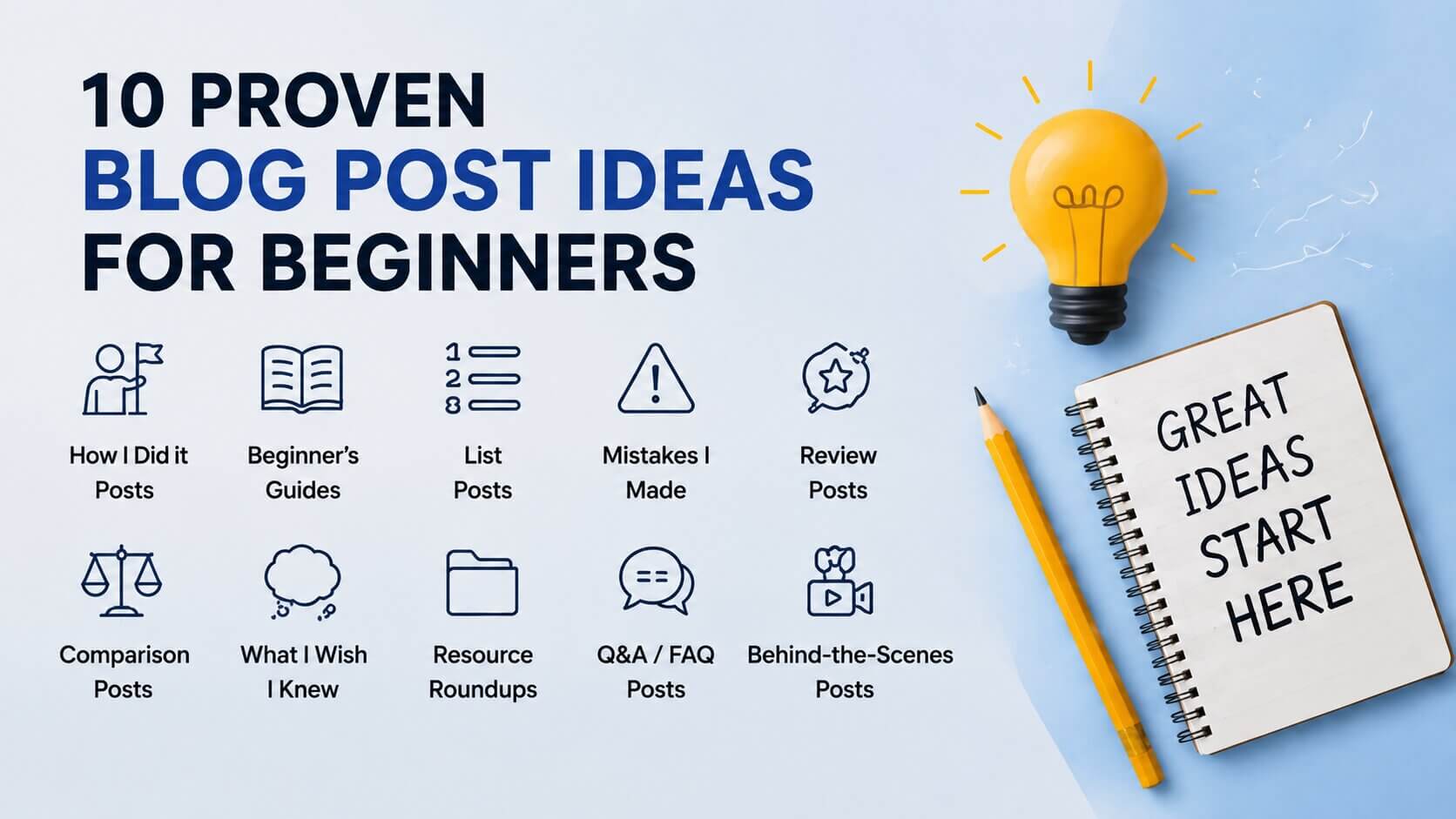
The 10 Best Blog Post Ideas for Beginners
Here are the formats that consistently work for new bloggers. I’ve also included real-world examples so you can see exactly what these look like in practice.
01
02
03
04
05
06
07
08
09
10
A Story Worth Telling: How One Beginner Found Their Voice
Marcus had been putting off starting his cooking blog for almost a year. He kept thinking his food wasn’t “fancy enough” to write about. One evening, completely fed up, he just wrote about how he’d been making the same cheap pasta dish every week during a tough financial stretch — and why he actually looked forward to it.
He called it: “The $2 Pasta That Got Me Through My Worst Year.”
That post got shared in three different Facebook groups for budget cooking. It wasn’t a restaurant-quality recipe. It was real. In reality, people don’t always want polished — they want honest.
How to Actually Pick Your First Topic
Stop overthinking. Here’s a quick three-step exercise:
- Write down three problems you’ve personally solved in the last year
- For each one, ask: “Would the version of me from 12 months ago have Googled this?”
- Pick the one you can talk about for 10 minutes without notes
That last test is important. If you can’t talk about it casually, writing about it will feel like pulling teeth. The best blog posts come from things you genuinely care about — even just a little.
One Opinion You Might Not Expect
Personally? I think “write about your passion” is the most overused, least useful blogging advice out there. Your passion doesn’t automatically translate to content people want. But your experience — the specific, messy, imperfect experience of figuring something out — almost always does.
Write about what you know. Not what you love in theory. What you actually lived.
A Few Things to Keep in Mind as You Start
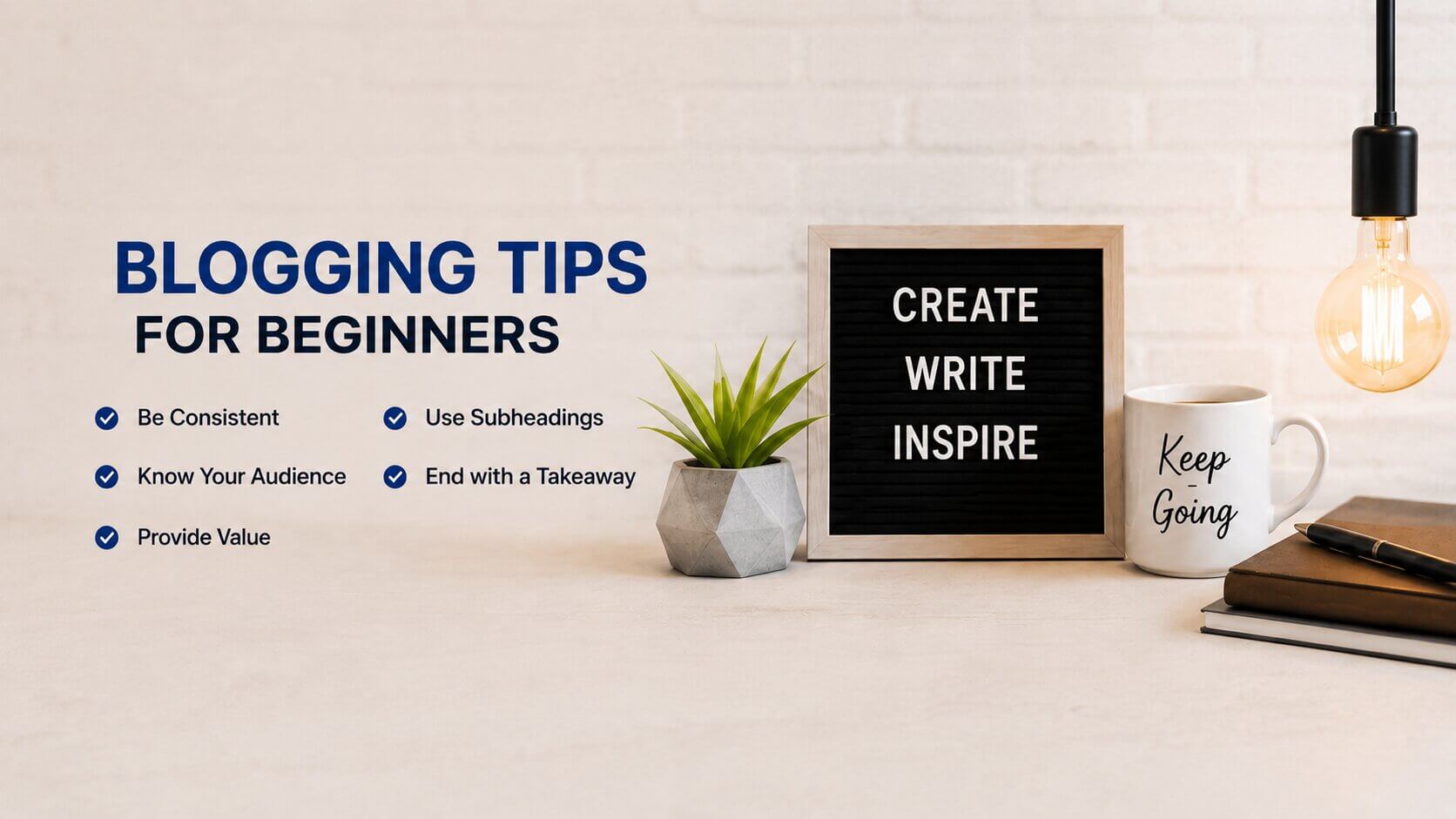
- Your first post doesn’t have to be your best — it just has to exist
- Shorter posts (600–900 words) are perfectly fine when you’re starting out
- Use subheadings — most people skim before they decide to read
- End every post with one clear takeaway or next step for the reader
- Don’t wait until it’s perfect. Publish it, then make it better later
Frequently Asked Questions
How long should my first blog post be?
Honestly, anywhere between 600 and 1,200 words is fine for most beginner posts. Don’t pad it just to hit a word count. If you’ve said what you need to say in 700 words, stop there. Longer posts make more sense once you’re writing in-depth guides or comparison posts.
Do I need to pick a niche before I start?
Not immediately. Writing 5–10 posts first can help you discover your niche naturally. That said, having a loose focus (health, personal finance, travel, tech) from the beginning makes it easier to attract a consistent audience.
How often should I post as a beginner?
Once a week is a solid goal. But consistency matters more than frequency. One great post every two weeks beats one rushed post every three days. Pick a schedule you can actually keep and stick to it.
What if someone has already written about my topic?
They have. That’s fine. Your specific angle, your examples, your voice — that’s what makes your post different. There are thousands of pasta recipes online and people still click new ones. Don’t let existing content stop you from publishing.
Ready to start?Pick one format from the list above. Open a new doc right now — not tomorrow — and write the first three sentences. That’s it. You don’t have to finish it today. You just have to start.
The bloggers who succeed aren’t the ones who waited for the perfect idea. They’re the ones who just kept going.