
Let me be honest with you — when I first started looking for ways to make money online, I wasted about three months going in circles. Surveys that paid $0.50 an hour. “Easy money” videos that led nowhere. A drop-shipping course that cost more than I ever made from it.
So I’m not going to waste your time with that stuff.
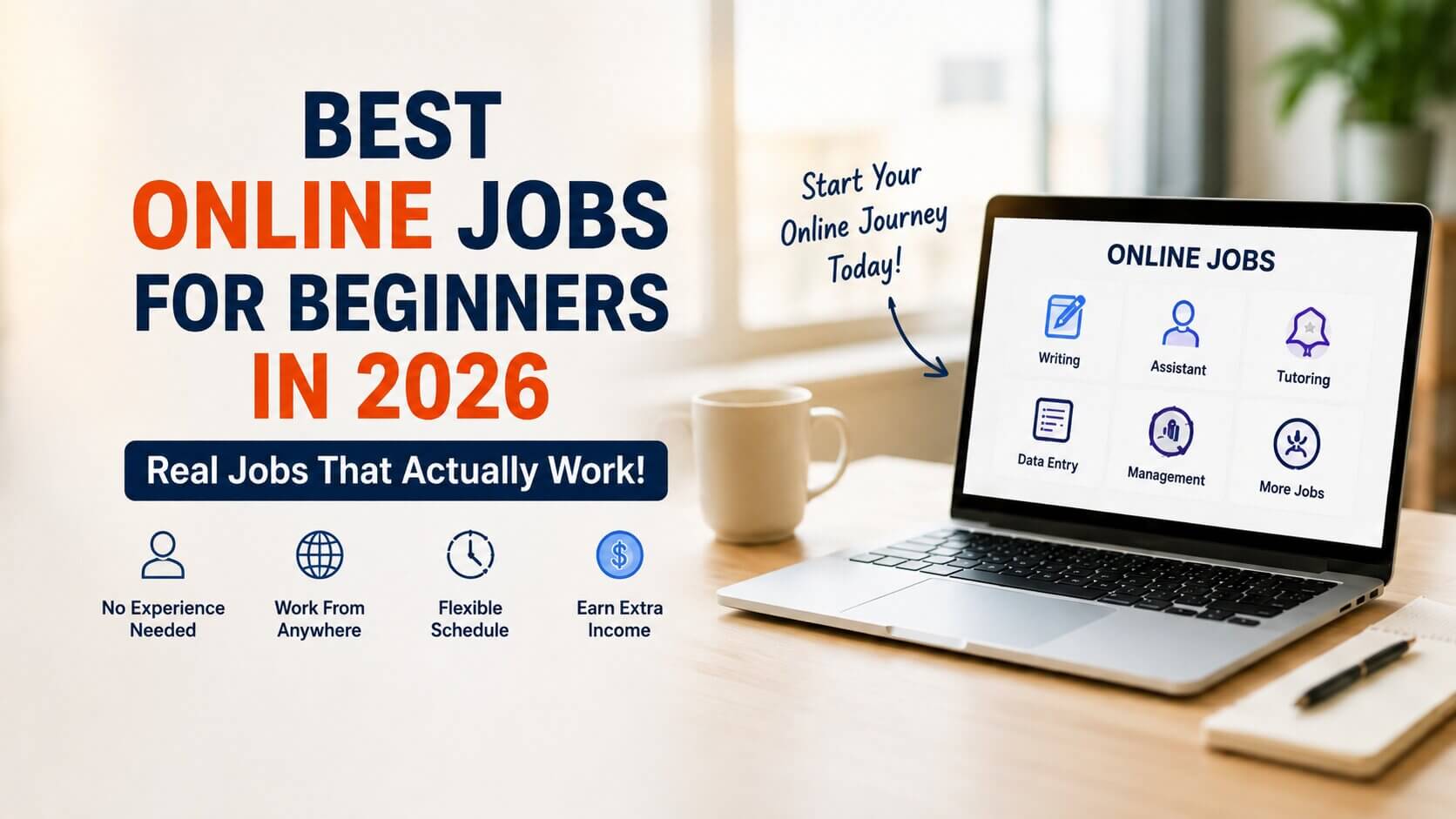
If you’re a beginner in 2026 — maybe a student, a stay-at-home parent, someone between jobs, or just someone who wants extra income — there are real, legitimate online jobs that don’t require a degree or years of experience. You just need the right direction.
Here’s what’s actually working right now.

1. Freelance Writing (Still One of the Best Entry Points)
Writing is probably the most underrated beginner skill online. And here’s the thing — you don’t need to be a novelist. Businesses constantly need blog posts, product descriptions, email newsletters, and social media captions.
A friend of mine, Priya, started writing for small local businesses in her city. She charged $25 per article when she began. Six months later, she was earning $300–$500 per piece for SaaS companies in the US. She never took a writing course. She just started, got feedback, and improved.
Where to start:
- Platforms like Contra, Freelancer, and the ProBlogger job board
- Cold pitching small businesses directly via email
- Building a free portfolio on Journo Portfolio or even a basic Google Doc
Don’t obsess over having the perfect portfolio before you start. Get one or two samples out there. That’s it.

2. Virtual Assistant Work
If you’re organized, reliable, and decent with email — congratulations, you already have what it takes to be a virtual assistant (VA).
VAs help entrepreneurs and small business owners with tasks like scheduling, inbox management, customer support, data entry, and social media posting. It sounds simple, and honestly, a lot of it is. That’s not a bad thing when you’re starting out.
The pay varies. Beginners usually start around $10–$15 per hour, but specialized VAs — think someone who manages a CEO’s calendar, handles client communication, and does light bookkeeping — can earn $30–$50 per hour within a year.
Websites like Belay, Fancy Hands, and Time Etc. hire VAs regularly. You can also find clients on Upwork or LinkedIn.

3. Selling Digital Products on Etsy or Gumroad
This one takes a bit of upfront effort, but once you’ve built something — a Canva template, a resume design, a budget spreadsheet, a printable planner — it can sell while you sleep.
In reality, the competition is high, but so is the demand. People are constantly looking for ready-made solutions they can download instantly.
Take Marcus, a teacher from Ohio. He made a set of classroom activity worksheets in a weekend and uploaded them to Etsy. He made $47 in the first month. A year later, he was pulling in over $1,200/month from that same shop — just from updating and adding new templates every couple of weeks.
The learning curve is low. Canva is free. Etsy charges a small listing fee. The barrier to entry is basically just your time.
4. Social Media Management
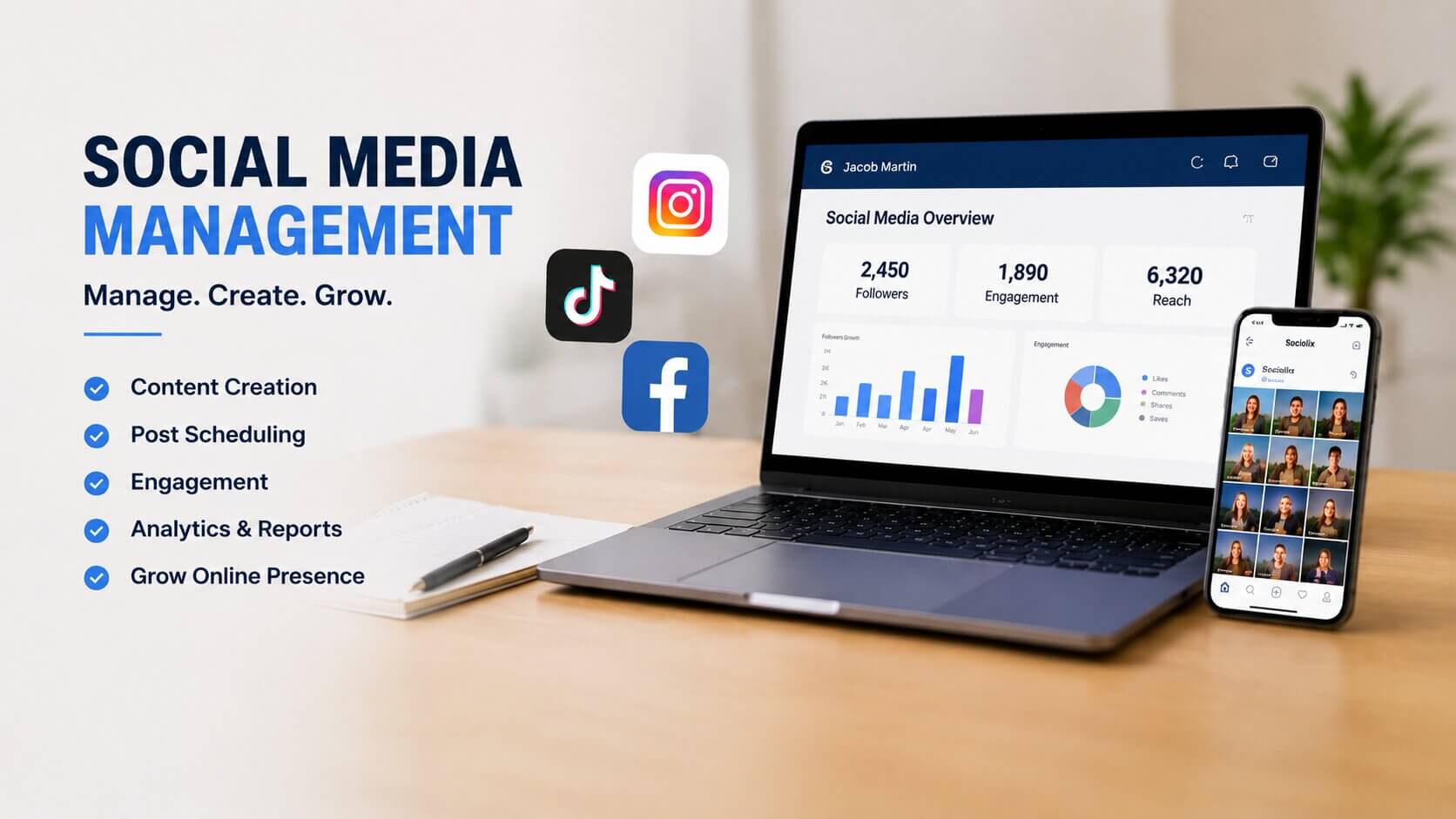
Businesses know they need to be on Instagram, TikTok, and LinkedIn. Most of them have no idea how to run it properly. That’s where you come in.
Social media management is beginner-friendly because you’re probably already using these platforms daily. The jump from “personal user” to “managing someone’s business account” isn’t as big as people think.
Start by learning the basics of content planning, hashtag strategy, and simple analytics. There are free courses on HubSpot Academy and YouTube that cover exactly this.
What you’ll actually do:
- Schedule posts using tools like Buffer or Later
- Reply to comments and DMs
- Write captions and suggest content ideas
- Share monthly performance reports
Rates start around $300–$500 per month per client for part-time work. Land two or three clients and that’s a solid side income.
5. Transcription and Captioning
This is about as simple as online work gets. You listen to audio, you type what you hear. That’s the job.
It’s not glamorous. But it’s consistent, beginner-friendly, and doesn’t require any creative skill. Platforms like Rev, TranscribeMe, and Scribie hire beginners constantly.
Pay is usually around $0.45–$1.10 per audio minute, which sounds low until you realize a fast typist can process 5–8 minutes of audio per hour. It adds up, especially if you’re consistent.
Think of it as a good “starter job” — something to earn while you build skills in something else on the side.
6. Online Tutoring
If you’re good at any subject — math, English, science, history, even music — you can tutor online. The demand in 2026 is massive, especially for English tutoring from non-native speakers around the world.
Platforms like Preply, Italki, and Cambly connect tutors with students directly. You set your own schedule, your own rates, and work from home.
My personal opinion? This is one of the highest-value beginner jobs out there because you’re trading a real skill for money, not just time. A tutor who builds a strong profile and solid reviews can charge $30–$60 per hour within a few months.
You don’t need a teaching degree for most platforms. You need patience, communication skills, and genuine knowledge of your subject.
7. Data Entry and Micro-Tasks
Let’s keep it real — data entry is not exciting. But it’s easy, flexible, and genuinely beginner-friendly.
Amazon Mechanical Turk, Clickworker, and Appen hire people to complete small tasks: categorizing images, testing apps, labeling data, answering surveys. The pay isn’t high, but the barrier to entry is basically zero.
This is the “day one” job. You do it while you build a more valuable skill on the side.
A Few Tips Before You Dive In
- Don’t spread yourself too thin. Pick one or two options and actually commit to them.
- Create profiles on two or three platforms max. You don’t need to be everywhere.
- Track your hours and income from day one. Even a simple spreadsheet helps.
- Be patient. The first month is usually slow. That’s normal, not a sign it isn’t working.

FAQ
Q: Do I need experience to get any of these jobs? Not really. Most of them are designed for people starting from scratch. A basic portfolio or a couple of sample projects will get you surprisingly far.
Q: How quickly can I start earning? Realistically, expect 2–4 weeks before your first payment on most freelance platforms. Transcription and micro-tasks can pay within days.
Q: Can I do this part-time alongside a regular job? Absolutely. Most of these are flexible enough for 10–20 hours a week without burning out.
Q: What’s the best option for someone with zero skills right now? Start with transcription, data entry, or VA work. These need very little specialized knowledge and ease you into the rhythm of remote work while you develop other skills.
Final Thoughts
The internet isn’t short on opportunities — it’s short on people willing to actually start. Most beginners get stuck in research mode, waiting until everything feels “ready.”
Here’s the truth: nothing ever feels ready until you’ve done it once.
Pick one job from this list. Sign up for one platform. Apply for one gig. That first step is worth more than another week of googling.
You don’t need to figure out your entire online career today. You just need to start.
Good luck — you’ve got this.